
How takedowns work under EU law
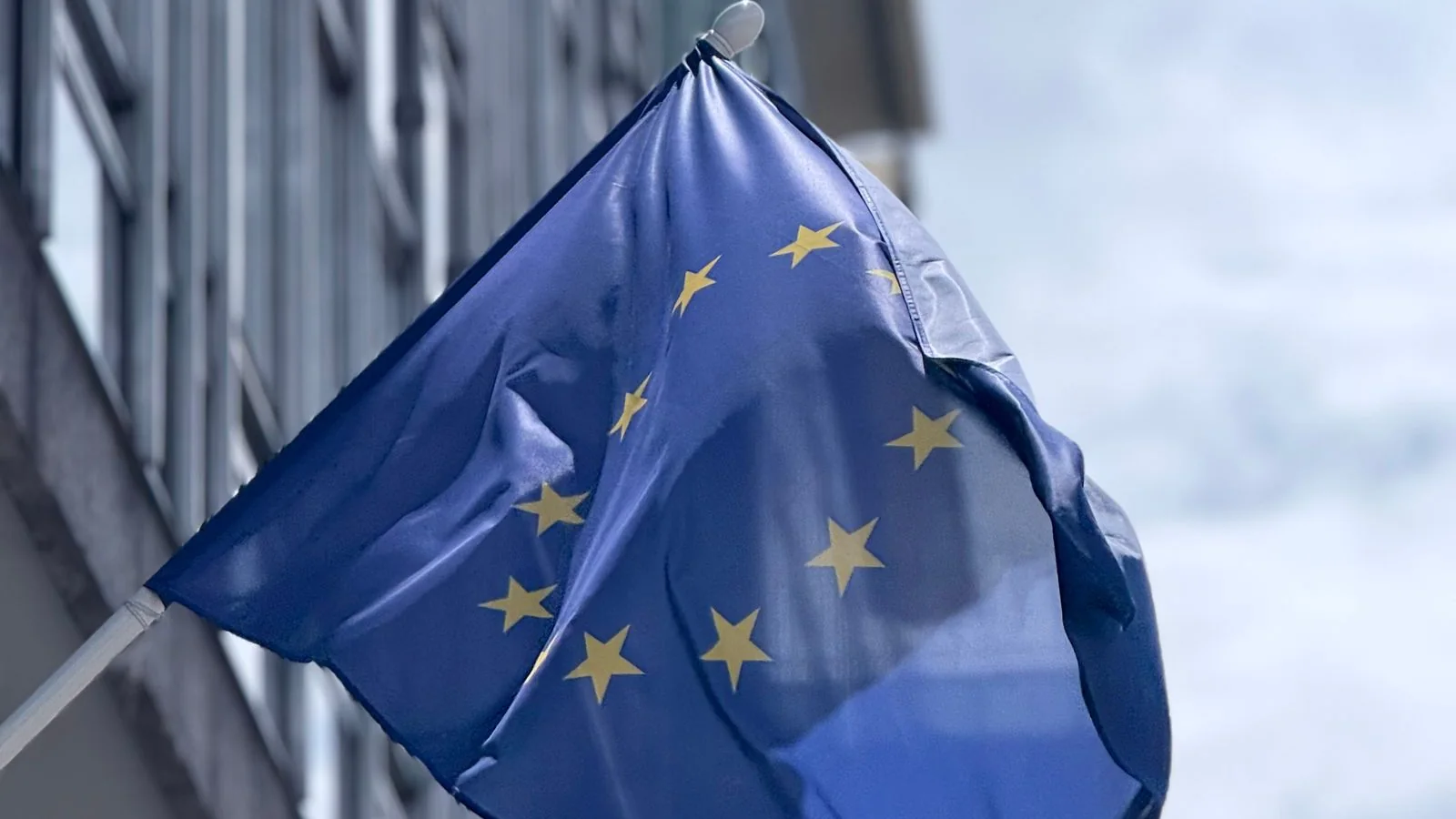
Since 17 February 2024, every hosting provider that serves users in the EU has a legal duty to accept and act on takedown notices. The rulebook is the Digital Services Act, and it changed content removal in Europe more than most people noticed. Here is how the system works and how to file a notice that sticks.
One duty for every host
The DSA applies to any company that hosts content and offers its service in the EU, no matter where it is incorporated. A US platform with European users is covered. Article 16 obliges each of these providers to run a notice-and-action mechanism: an easy, electronic way to report specific content as illegal. This is the European counterpart to the American DMCA process, which we cover in our DMCA guide, with one large difference we get to below.
What a valid notice contains
Article 16 lists four elements. A sufficiently substantiated explanation of why the content is illegal. The exact electronic location, meaning precise URLs. Your name and email address. And a statement, made in good faith, that the information in the notice is accurate and complete. The provider has to confirm receipt and then decide in a way the law describes as "timely, diligent, non-arbitrary and objective". Vague complaints fail the first element; a notice that names the law being broken and lists exact URLs is hard to ignore.
Why providers comply: actual knowledge
A complete notice gives the host "actual knowledge" of the illegal content. From that moment the provider keeps its liability shield only if it removes or disables access expeditiously. Sitting on a well-drafted notice means owning the legal risk for the content, which is the same basic trade the DMCA makes with its safe harbor. On top of that, DSA breaches can draw fines of up to six percent of a provider's worldwide annual turnover. That number gets management attention.
Broader than copyright
The DMCA handles copyright and nothing else. An Article 16 notice covers any illegal content: copyright infringement, but also non-consensual intimate images, defamation or identity abuse, with the illegality defined by EU or national law. For creators this is a real advantage. Leaked private material can be reported as illegal content even when the copyright argument is complicated, for example because someone else pressed the record button.
Rights on both sides
The uploader gets a statement of reasons explaining any removal and can challenge it through an internal complaint system or a certified out-of-court dispute body. There is no DMCA-style counter-notice that restores content after two weeks by default. The DSA also created trusted flaggers, vetted organizations whose notices platforms must treat with priority.
The German layer
German law adds a second track on top of the DSA. Copyright claims under the Urheberrechtsgesetz and personality-rights claims can be enforced through the classic civil route, an Abmahnung from a lawyer with a demand to cease and desist. That path costs more and hits harder, and it stays available when a platform ignores your Article 16 notice.
Filing in practice
Find out who hosts the content, use the provider's reporting channel or its published abuse contact, cite Article 16 DSA explicitly, and cover all four elements in plain language. Keep a copy of everything, including the confirmation of receipt the provider owes you. The duty covers every service with EU users, including the stubborn ones; how that plays out with the most stubborn of all is in our Telegram guide. And when the host sits in the US, the DMCA route usually moves faster; our side-by-side comparison helps you pick.
Takedown work at scale means sending each notice in the format the receiving service is bound by, DSA here, DMCA there. That is what we do all day for creators and brands; you can see the scope of it on our solutions page. If you first want to know where your content is circulating, the free leak check answers that in minutes.
This article is general information, not legal advice.

